 Skip to content
Strata Bathroom Renovations in Sydney: Approvals, Noise and Access Explained

Strata Bathroom Renovations in Sydney: Approvals, Noise and Access Explained
Bathroom renovations inside apartment buildings involve more coordination than similar work in standalone houses. In Sydney strata buildings, bathrooms are considered wet areas, meaning renovations affect plumbing systems, waterproofing layers, and sometimes shared structures.
For owners planning a strata bathroom renovation in Sydney, the process typically involves approvals from the owners’ corporation, compliance with building by-laws, and careful management of noise and building access. These requirements exist to protect neighbouring apartments from issues such as water leaks, excessive noise, or disruption in shared spaces.
This guide explains how strata approvals for bathroom renovations, building rules, and renovation logistics usually work in NSW. It is written for owners, strata committees, and building managers reviewing or planning bathroom works in apartment buildings.
Key Takeaways
- Strata approval is usually required because bathroom works may affect common property such as plumbing systems and waterproofing layers.
- Waterproofing compliance is essential to prevent leaks and mould that can affect neighbouring apartments.
- Noise from demolition and drilling must follow strata bathroom noise rules and building work-hour policies.
- Renovation access planning is necessary because materials and waste removal can affect lifts, hallways, and shared areas.
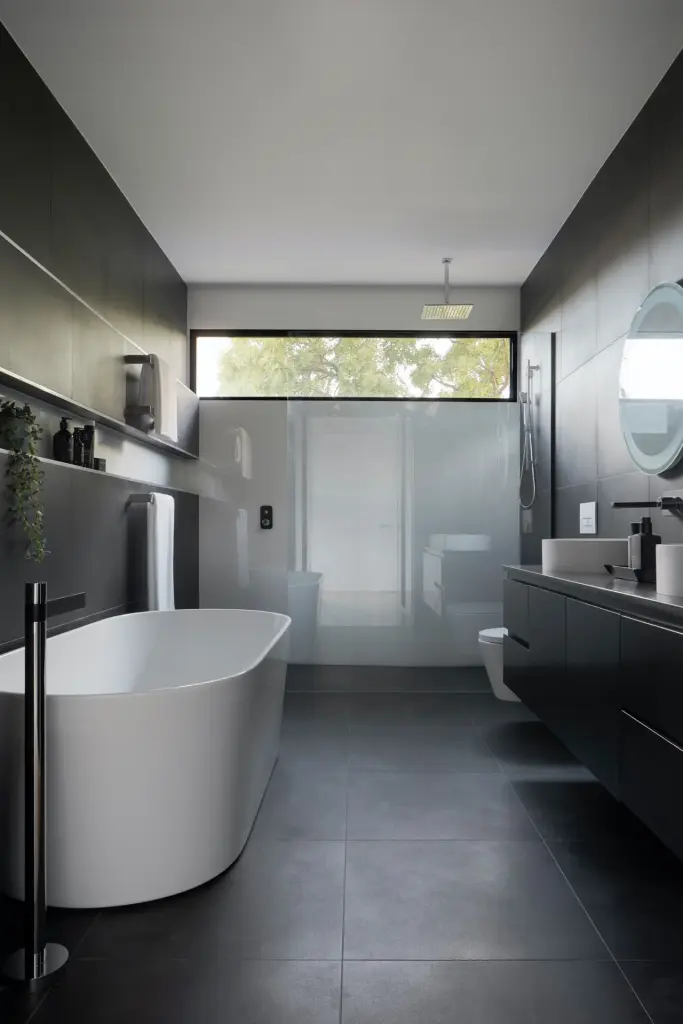
Bathroom renovations in strata require formal approval
In NSW strata buildings, bathroom works are commonly classified as minor or major renovations under strata legislation. Because bathrooms involve waterproofing membranes, plumbing connections, and drainage systems, approval from the owners’ corporation or strata committee is usually required before work begins.
Noise and building access must be managed
Bathroom demolition often involves drilling tiles, removing screed, or cutting pipes. Buildings normally enforce strata bathroom noise rules restricting when these activities can occur.
Documentation helps committees approve projects faster
A clear renovation scope, contractor licences, insurance certificates, and waterproofing specifications help strata committees assess proposals efficiently and reduce delays.
How Strata Bathroom Renovations Work in NSW
What Counts as a “Wet-Area Renovation”
Bathrooms are classified as wet areas because water regularly contacts floors and walls. Renovations in these areas typically involve plumbing fixtures, waterproofing systems, and drainage slopes designed to move water safely to the drain.
Several trade terms appear frequently in bathroom design and renovation documentation:
- Membrane: a waterproof barrier applied beneath tiles that prevents water from entering the building structure.
- Fall to waste: the slope built into the bathroom floor directs water towards the floor drain.
- Set-down: a slightly lowered section of the concrete slab that allows room for waterproofing layers and floor slope.
If these components are installed incorrectly, water can leak into neighbouring units or structural areas.
Minor vs Major Renovations in Strata
Under NSW strata renovation rules, renovation works are categorised according to their impact on common property.
Many bathroom renovations in strata buildings require approval because they may involve:
- changes to plumbing connections
- new waterproofing systems
- floor screed removal or replacement
- drainage adjustments
These elements affect shared building infrastructure and therefore require review by the owners corporation.
Licences and Compliance Requirements
Licensed trades are required for many bathroom renovation tasks. NSW regulations covering kitchen, bathroom and laundry renovation work outline the types of licences contractors must hold when performing renovation work. Plumbing work must be completed by a licensed plumber, and electrical work must be carried out by a qualified electrician.
Waterproofing also needs to follow recognised installation practices to ensure the membrane performs correctly and prevents leaks or mould.
Common Strata By-Laws About Wet-Area Renovations
Strata buildings often adopt by-laws that regulate how renovations take place. These rules aim to protect shared property and minimise disruption for residents.
Waterproofing Responsibility
Owners are usually responsible for ensuring bathroom waterproofing is installed correctly. This applies whether the project is part of broader bathroom renovations in Inner West apartments or other Sydney strata buildings. If a leak damages neighbouring apartments, the owner may need to arrange repairs.
Waterproofing is therefore one of the most scrutinised aspects of a unit bathroom renovation in strata buildings.
Work Hours and Noise Limits
Strata by-laws often specify allowed renovation hours to control noise.
Typical rules may include restrictions on early morning demolition, weekend drilling, or evening construction noise.
Protection of Common Property
To protect common areas, buildings frequently require contractors to install lift padding during material transport, protect hallway flooring, avoid storing materials in shared corridors, and remove renovation waste promptly.
Insurance and Contractor Requirements
Strata committees commonly request contractor documentation such as licence details, public liability insurance, and workers’ compensation insurance.
Approval Steps for Owners and Committees
Step 1 – Prepare a Renovation Scope
Before submitting a proposal, owners should prepare documentation describing the renovation. This preparation stage is similar to the early planning steps in a professional renovation process, where scope, materials and compliance requirements are clearly documented.
This often includes scope of works, contractor licences, waterproofing specifications, and fixture or plumbing layouts.
Step 2 – Submit the Proposal to the Strata Manager
The renovation proposal is usually submitted to the building’s strata manager or owners corporation.
Step 3 – Committee Review and Conditions
Committees may approve works subject to certain conditions such as restricted work hours, lift protection, waste disposal procedures, and contractor documentation.
Step 4 – Approval and Scheduling
Once approved, the renovation can be scheduled in accordance with building rules and resident notifications.
Managing Noise, Lifts, Parking and Tenants
Noise Management During Demolition
Bathroom demolition often involves removing tiles, screed, and fittings. These activities create noise and vibration that neighbouring apartments may notice.
Lift Bookings and Material Transport
Transporting materials such as tiles, vanities, and plasterboard often requires lift access. Many strata buildings require contractors to book lift times in advance.
Parking for Trades and Waste Removal
Contractors may require access to loading zones or designated parking areas for deliveries and waste removal.
Communication With Neighbours and Tenants
Providing notice of upcoming renovation works can reduce complaints from neighbouring residents.
What a Strata-Aware Bathroom Scope Looks Like
| Scope Element | Purpose |
|---|---|
|
Waterproofing system |
Prevent leaks |
|
Drainage design |
Ensure correct fall to waste |
|
Tile installation |
Protect waterproof membrane |
|
Inspection checkpoints |
Confirm compliance |
Waterproofing Specifications
Bathroom waterproofing is a critical component of any strata bathroom renovation in Sydney. The waterproof membrane must be installed beneath tiles and around fixtures such as showers and bathtubs.
Drainage and Fall to Waste
Bathroom floors are built with a slight slope directing water towards the drain. This slope is known as the fall to waste and prevents water pooling.
Protection of Neighbouring Apartments
Correct installation of waterproofing and drainage protects neighbouring apartments from leaks or moisture damage.
Project Timeline and Scheduling
| Stage | Typical Duration |
|---|---|
|
Demolition |
1–2 days |
|
Plumbing and Electrical |
2–3 days |
|
Waterproofing and Curing |
2–3 days |
|
Tiling and Fixtures |
5–7 days |
Questions Strata Committees Should Ask a Bathroom Contractor
| Question | Why It Matters |
|---|---|
|
Are you licensed in NSW? |
Ensures Compliance |
|
Who Installs the Waterproof Membrane? |
Prevents Leaks |
|
How Will Noise Be Managed? |
Protects Residents |
|
What Documentation is Provided? |
Supports Approval |
Licensing and Insurance
Committees typically verify contractor licences and insurance before approving works. This usually includes confirming that the contractor holds the appropriate NSW licence class for building, plumbing, or waterproofing work. Committees may also check public liability insurance and workers compensation coverage to ensure the building and its residents are protected if an incident occurs during the renovation.
Waterproofing Compliance
Waterproofing systems must be installed carefully to prevent leaks or mould. In apartment buildings, poor waterproofing can allow moisture to travel into neighbouring units or shared building structures. Committees therefore often ask how the waterproof membrane will be installed, who will carry out the work, and whether inspections or warranties will be provided.
Experience Working in Strata Buildings
Contractors familiar with apartment buildings understand building access requirements and renovation logistics. This experience is especially useful in dense urban areas such as bathroom renovations in Eastern Suburbs apartment buildings where lift access, parking and shared spaces must be carefully managed. This includes coordinating lift bookings, protecting hallways and common areas, managing demolition noise, and scheduling deliveries so that other residents are not heavily disrupted.
Documentation and Reporting
Providing clear documentation supports the strata approval process. Committees may request renovation scopes, waterproofing details, contractor licences, and insurance certificates before granting approval. During construction, some buildings also require updates confirming that the work is progressing according to the approved scope.
Contact Aussie Bathrooms for Strata Bathroom Renovations in Sydney
If you are planning a bathroom upgrade in a Sydney apartment building, working with a contractor familiar with strata requirements can make the approval process significantly smoother.
At Aussie Bathrooms, we prepare strata-ready renovation scopes and documentation that outline waterproofing, drainage, construction timelines, and building access considerations. This type of documentation helps strata committees understand the proposed work and review renovation applications more efficiently.
Our team also understands the practical requirements of apartment renovations, including lift bookings, demolition noise management, and protecting common property during construction.
If you are preparing for a strata renovation, you can request a strata-ready bathroom scope and documentation pack to help your committee review the project with clarity.
FAQs
Do I need strata approval for a bathroom renovation in Sydney?
Most bathroom renovations in strata buildings require approval because they involve plumbing, waterproofing, and drainage systems that may affect common property.
How long does a strata bathroom renovation take?
Bathroom renovations typically take two to three weeks, depending on waterproofing curing time, tiling work, and building access rules.
What are typical noise rules for bathroom renovations?
Buildings often restrict demolition and drilling to certain hours on weekdays.
Who is responsible for waterproofing in strata bathrooms?
The owner usually remains responsible for waterproofing installed inside their lot, particularly if leaks affect neighbouring apartments.
What documents do strata committees usually require?
Committees typically request renovation scope, contractor licences, insurance certificates, and waterproofing specifications.