 Skip to content
Leaking Shower vs Full Shower Renovation in Sydney: When a Rebuild Is Worth It
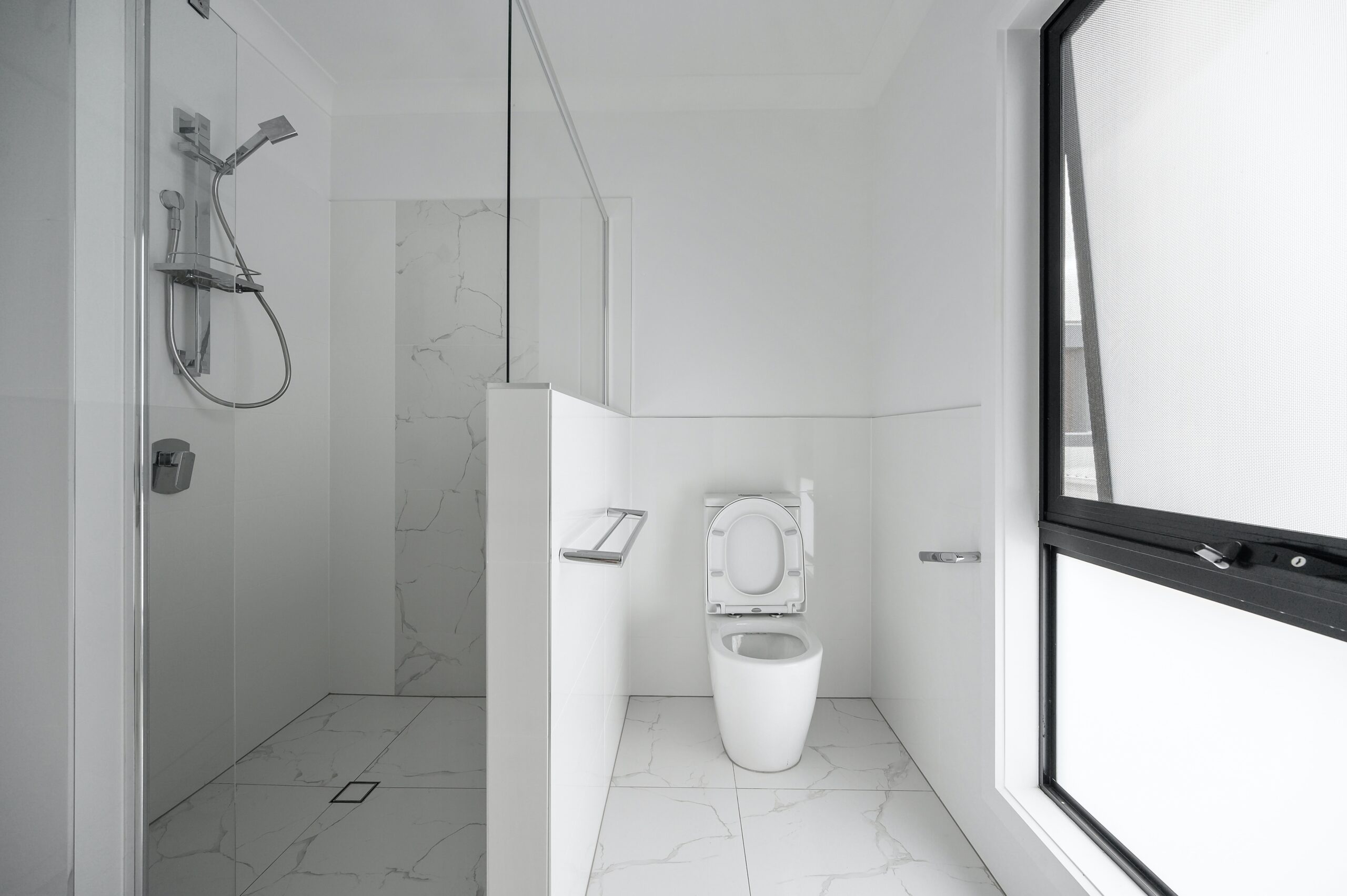
Leaking Shower vs Full Shower Renovation in Sydney: When a Rebuild Is Worth It
A leaking shower can look like a minor maintenance issue at first. A bit of cracked grout, old silicone, or a damp smell after use can seem manageable. The trouble is that showers fail in layers. What you see on the surface is not always where the problem starts.
For Sydney owners, the real question is usually this: is the issue limited enough for a patch repair, or has the shower reached the point where a full rebuild is the better choice? That decision affects cost, downtime, compliance, and the chance of the problem coming back.
In many cases, a small repair is still valid. In others, it only delays a bigger job. If water has already moved past the tile surface and into surrounding materials, a proper rebuild can be the cleaner, safer, and more cost-effective path over time. In NSW, waterproofing work sits within licensed residential building and trade work requirements when the value is above the relevant threshold, and NSW Health notes that mould in damp indoor areas can affect health.
Key Takeaways
- A patch repair may be enough when the issue is small, recent, and clearly limited to a surface joint or local fitting.
- Patch work is more likely to hold where the shower base is stable, adjacent walls are dry, and there is no history of repeat leaks.
- A full rebuild is usually worth serious thought when leaks keep returning, mould keeps coming back, tiles feel loose or hollow, or water damage appears outside the shower itself.
- These signs often point to a deeper problem with waterproofing, drainage falls, or the condition of the substrate below the tiles.
- Before deciding, compare more than the first repair bill, including repeat call-out risk, how long the shower has been failing, and whether a rebuild will give you a clearer fixed scope.
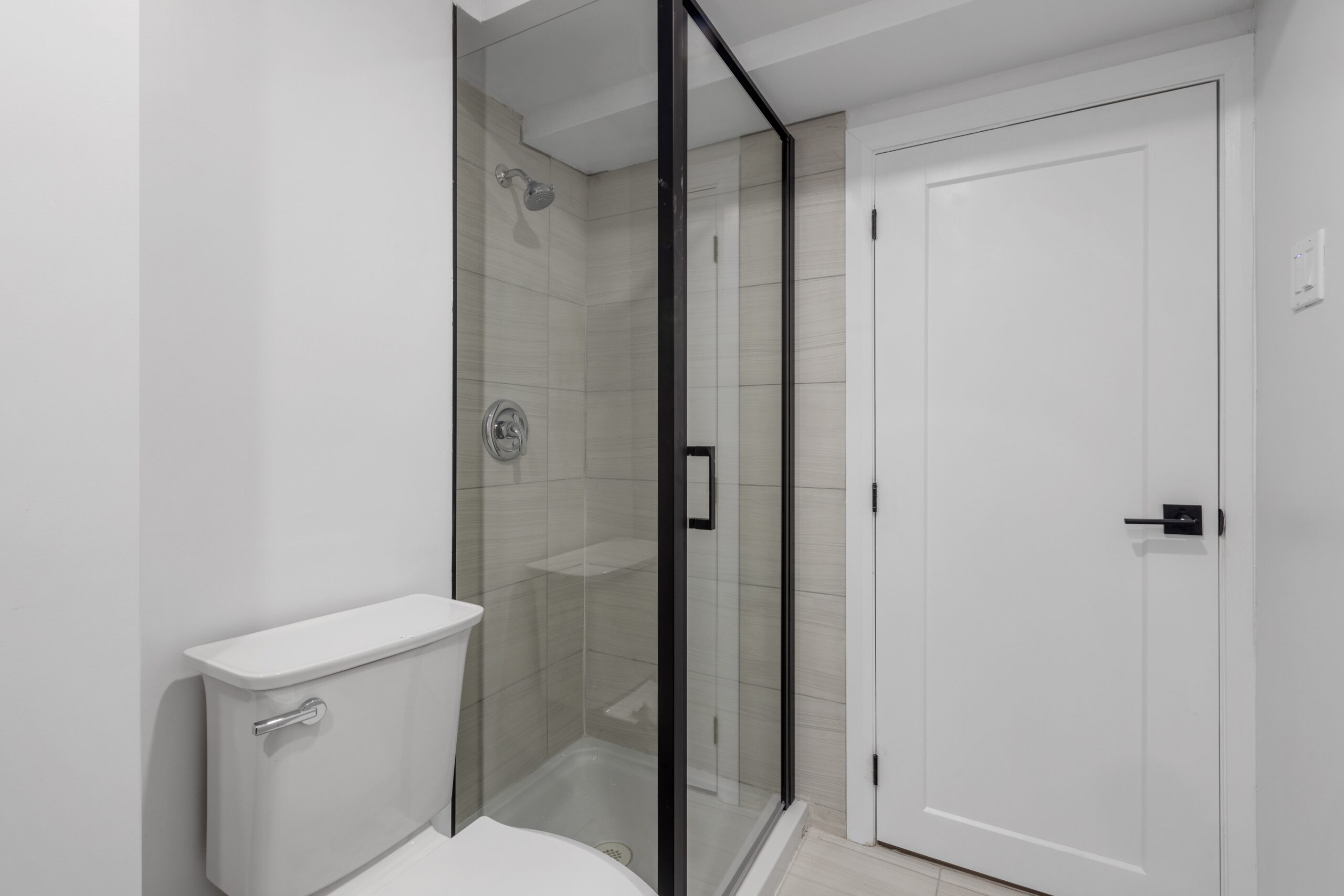
Signs a Shower Leak Is More Than Just Grout or Silicone
Surface wear is common in older showers. Silicone can shrink or split. Grout can crack. A shower screen seal can fail. These things happen, and sometimes they are the main issue. In some cases, visible tile damage or movement can also point to the need for tile replacement as part of a broader repair or rebuild scope. The problem is that similar symptoms can also appear when water is already getting underneath the finish.
Water Stains, Swollen Skirting, or Damage Outside the Shower
When moisture shows up beyond the shower recess, the problem may not be limited to the visible joints. Peeling paint on the other side of a wall, swelling in skirting boards, stained architraves, bubbling plaster, or damp flooring near the shower entry can point to water escaping the wet area.
That matters because once water has moved into nearby building materials, a simple reseal does not necessarily deal with the path the water has already taken. By then, the shower may need deeper investigation rather than another cosmetic fix.
Persistent Mould, Musty Smells, or Recurring Dampness
A bathroom that never seems fully dry is worth taking seriously. Musty smells, dark marks in corners, and mould that returns soon after cleaning are common signs of trapped moisture. NSW Health says mould grows in damp indoor areas and can trigger or worsen symptoms such as eye irritation, wheezing, blocked nose, or asthma problems in some people.
Not every mould issue means the shower must be rebuilt. Poor ventilation can also play a part. But when mould keeps appearing around a shower that already has leaking symptoms, it is often a clue that water is not being contained and drained the way it should be.
Loose Tiles, Hollow Spots, or Movement Underfoot
Tiles should feel firm. If they sound hollow, move slightly, or feel drummy underfoot, the bond underneath may be failing. That can happen when moisture affects the tile bed, the screed, or the substrate below.
This is one of the clearer signs that the issue may be below the finish layer. Regrouting over moving tiles rarely solves that for long.
Leaks That Return After Regrouting or Resealing
One of the most useful questions is simple: has this already been “fixed” once or twice? If the answer is yes, and the shower still leaks, there is a strong chance the root cause sits deeper than the grout lines.
Repeated repair cycles often cost more than owners expect. They can also make the eventual rebuild larger if moisture keeps spreading in the meantime. This is also where common bathroom waterproofing mistakes become relevant, especially when a shower has been repaired more than once without addressing the full wet-area system.
Patch Repairs vs Full Shower Rebuild: Pros and Cons
There is no single answer for every shower. The better option depends on the age of the shower, the severity of the leak, what sits under the tile finish, and whether damage has spread.
What Patch Repairs Can Fix
Patch repairs can be sensible where the problem is genuinely local. Examples include:
- Failed silicone at a junction
- Local grout deterioration
- A minor plumbing defect at a fitting
- A small section of damaged tile with no sign of broader moisture spread
In those cases, a limited repair may buy useful time or fully solve the problem. It also usually means less disruption, lower immediate cost, and a shorter turnaround.
Where Patch Repairs Often Fall Short
Patch repairs have limits. They do not rebuild the waterproof layer. They do not correct poor falls to waste if water sits in the wrong place. They do not restore damaged wall linings, failed screeds, or decayed substrates hidden below the surface.
If the shower has movement, recurring leaks, or moisture spread beyond the recess, a surface repair may only improve the appearance for a while. The shower can still keep failing underneath.
When a Full Rebuild Becomes Better Value
A rebuild tends to make more sense when one or more of these conditions apply:
- The shower has leaked more than once
- There is mould or dampness outside the shower area
- Tiles are loose, hollow, or shifting
- The shower is older and likely nearing the end of its reliable service life
- Drainage falls are poor and water does not run cleanly to the waste
- You want cost certainty instead of ongoing repair cycles
A full rebuild usually costs more upfront, but it gives the chance to strip the area back, assess the structure properly, install compliant waterproofing, correct the falls, and rebuild the shower as a whole system. For owners already weighing layout, functionality, and finish choices at the same time, this can overlap with broader bathroom design decisions rather than acting as a stand-alone repair only.
A Simple Decision Framework for Owners
A practical way to look at it is this:
| Question | Patch Repair Leans More Suitable | Full Rebuild Leans More Suitable |
|---|---|---|
|
Is the issue clearly limited? |
Yes |
No or unclear |
|
Has the shower leaked before? |
No |
Yes, repeatedly |
|
Is there damage outside the shower? |
No |
Yes |
|
Are tiles stable and firm? |
Yes |
No |
|
Is mould recurring? |
No |
Yes |
|
Do you want a long-term reset? |
Maybe not needed |
Yes |
If several answers fall in the right-hand column, a rebuild is usually the more reliable path.
What a Proper Shower Rebuild Involves (Membrane, Screed, Tiling)
A shower rebuild is not just new tiles. It is a rebuild of the wet-area system that sits below and behind those tiles. In many homes, that work sits within the wider planning involved in bathroom renovations, particularly where the shower is only one part of a dated or failing room.
Strip-Out and Checking the Substrate
The first step is demolition of the affected shower area. That can include old tiles, bedding, fittings, shower screen, and any damaged wall linings or floor materials within scope.
Once the area is opened up, the underlying structure can be checked. This matters because a shower that has leaked for some time may have damaged sheeting, weakened bedding, or moisture-affected materials that cannot simply be covered up.
Waterproofing Membrane: What It Is and Why It Matters
A waterproofing membrane is the protective layer that helps stop water and moisture moving into surrounding parts of the building. It sits behind the tile finish, not on top of it. The tile and grout are not the main waterproof barrier by themselves.
In NSW, waterproofing work is part of licensed residential building and trade work when the job value is above the threshold set by the state, and the work must be done within the relevant licensing framework.
For owners, the main point is simple: if the membrane is compromised, surface repairs alone may not deal with the actual failure. Reading through examples of bathroom waterproofing mistakes can also help clarify why some leaks keep returning after cosmetic work.
Screed, Set-Down, and Fall to Waste Explained Simply
These terms sound technical, but the ideas are straightforward.
A screed is the shaped layer under the finished tile surface. It helps create the correct slope.
A set-down is a lowered section in the floor structure used in some shower constructions so the finished shower floor can sit lower and still drain correctly.
Fall to waste means the floor slopes towards the drain so water runs to the outlet rather than pooling in corners or escaping out of the shower area.
If any of those parts are wrong, the shower may not manage water properly even if the tiles look acceptable at first glance.
Tiling, Sealing, and Final Fit-off
Once the waterproofing and falls are correct and cured, the shower can be retiled and sealed. The screen, tapware, waste fittings, and trim are then refitted or replaced within the agreed scope.
A proper rebuild is also the point where practical details can be improved, such as easier-to-clean tile choices, better drainage layout, or improved ventilation planning nearby.
Here is the rebuild sequence in simple form:
| Stage | What Happens |
|---|---|
|
1. Strip-out |
Remove failed finishes and inspect the base condition |
|
2. Substrate check |
Identify hidden damage or movement |
|
3. Waterproofing |
Apply the protective membrane system |
|
4. Screed and falls |
Shape the base so water runs to the waste |
|
5. Tiling |
Install the new finish over the prepared system |
|
6. Fit-off and clean handover |
Complete fixtures, sealing, and final presentation |
Cost Ranges for Shower-Only Renovations in Sydney
The cost of a shower-only rebuild in Sydney depends on the scope, not just the size. A simple rebuild inside an otherwise sound bathroom costs less than a job with hidden damage, plumbing changes, access limits, or more extensive rectification.
Your own brand guidance places many Sydney bathroom projects in the mid-market range and expects owners to look for fixed, itemised pricing rather than vague estimates. The company’s recent Sydney pricing content also notes that quote quality depends heavily on inclusions and whether the scope is clearly defined.
What Affects the Final Rebuild Cost
The main cost drivers usually include:
| Cost Factor | Why It Changes Price |
|---|---|
|
Demolition scope |
More strip-out means more labour and disposal |
|
Hidden substrate damage |
Extra rectification may be needed before rebuilding |
|
Waterproofing complexity |
Shape, joins, and adjoining surfaces can affect labour |
|
Tile choice and layout |
Larger format, feature tiles, or difficult cuts add time |
|
Plumbing changes |
Moving outlets or fittings increases trade work |
|
Access conditions |
Apartment access, parking, strata rules, and waste handling can affect labour |
How to Build Flexibility Into a Standard Bathroom Budget
Future-proof bathroom design does not always require a significantly larger renovation budget. Small planning decisions can make a large difference later.
Reinforcing Walls During Construction
Adding reinforcement behind tiled walls allows grab rails to be installed later if required.
Choosing Adaptable Fixtures
Adjustable shower heads and handheld shower fittings can accommodate different users.
Planning Electrical and Lighting Points
Including extra lighting points or power outlets during construction allows future upgrades without rewiring. Planning these elements early is typically part of a structured bathroom renovation process that considers layout, electrical points, and long-term usability.
Budget Priorities for Accessibility
Some upgrades provide strong long-term value for homeowners.
| Upgrade | Cost Impact | Long-Term Value |
|---|---|---|
|
Reinforced Walls |
Low |
Future Grab Rails |
|
Level-Entry Shower |
Moderate |
Safety |
|
Non-Slip Tiles |
Low |
Fall Prevention |
|
Improved Lighting |
Low |
Better Visibility |
Typical Inclusions Owners Should Look For
When comparing shower rebuild quotes, check whether the scope includes:
- Demolition and disposal
- Substrate preparation and rectification within stated limits
- Waterproofing
- Screed and falls
- Tiling and grout
- Sealing to junctions
- Refit or replacement of agreed shower fittings
- Screen work if included
- Clean handover
That matters more than a low starting figure. A cheaper number can look attractive until you realise it leaves out key parts of the job.
Why Fixed-Price Scope Matters More Than Headline Price
A fixed price only helps when the inclusions are itemised and clear. Owners should be able to see what is in the contract, what assumptions have been made, and what would count as a variation.
For a leak-driven project, that clarity is especially useful. It reduces the chance of paying for repeated small repairs and then paying again for a rebuild later.
How Shower Renovations Fit Into a Full Bathroom Upgrade
Not every leaking shower means the whole bathroom should be renovated. But sometimes the shower is the first failure in a room that is already dated or underperforming.
When a Shower-Only Renovation Makes Sense
A shower-only project can be the right choice when:
- The rest of the bathroom is in sound condition
- The layout still works well
- The vanity, toilet, and general finishes are relatively current
- The problem is mostly limited to the shower recess
- You want a focused repair with less disruption
This approach is often suitable where the shower has failed before the rest of the room. In other cases, owners may find that aligning the work with a larger bathroom renovation scope leads to a cleaner end result and fewer mismatched finishes.
When the Whole Bathroom May Be Worth Doing at Once
A wider bathroom upgrade can make more sense when:
In practical terms, this is often where proper bathroom design becomes useful, because layout, ventilation, storage, and fixture selection can all be reviewed together rather than in isolation.
- The bathroom is old and multiple elements are deteriorating
- Ventilation is poor and moisture affects the whole room
- The layout is awkward and would benefit from redesign
- The shower rebuild would leave obvious mismatch with the rest of the room
- You are preparing for sale, lease, or long-term owner use and want one coordinated project
In those cases, rebuilding only the shower may solve the leak but still leave other functional issues untouched.
Practical Planning Points for Sydney Apartments and Homes
Sydney projects also bring practical considerations. Apartment work may involve access windows, lift protection, disposal planning, parking limits, and strata coordination. House projects may be simpler on access but still need clear staging and bathroom downtime planning.
Where mould or persistent dampness is part of the issue, ventilation should also be considered. Stopping the water entry is the main task, but helping the room dry properly afterwards also matters. NSW Health notes that mould grows where moisture remains present indoors. For some owners, it is also worth understanding whether ongoing protection plans such as AEP Cover Care fit their broader home maintenance approach.
Contact Aussie Bathrooms for Shower Design and Renovation
If your shower is leaking and you want a clear answer on whether it needs a patch repair or a full rebuild, Aussie Bathrooms can assess the condition of the shower, explain the likely cause, and prepare a fixed-price rebuild plan where a rebuild is the sensible next step. We keep the focus on scope, compliance, and practical outcomes rather than vague estimates.
Book a shower leak inspection and fixed-price rebuild plan.
Future-Proof Bathroom FAQs
What is an accessible bathroom design?
An accessible bathroom is designed to improve usability and safety for a wide range of users.
What flooring is safest for bathrooms?
Tiles with textured or matte finishes are commonly used to create a non-slip bathroom floor.
How do you design a bathroom for ageing in place?
Designing an ageing-in-place bathroom often includes walk-in showers, reinforced walls for grab rails, and wider clearances around fixtures.
Are accessible bathrooms more expensive?
Many accessibility features can be incorporated during a standard renovation without significantly increasing the budget.
Can accessibility features be added later?
Yes. Reinforced walls and flexible layouts allow grab rails or seating to be installed later if needed.