 Skip to content

How Long Does Tile Regrouting Take? A Sydney Homeowner's Guide

How Long Does Tile Regrouting Take? A Sydney Homeowner's Guide
Cracked grout and damp smells can make a small bathroom problem feel urgent. How many days will your shower be out of action?
So, how long does tile regrouting take? A straightforward shower can often be regrouted in one working day. Larger bathrooms may need one to two days of hands-on work. The bigger factor is curing: some grout products require three to seven days before regular shower use.
Here is what to expect, including the signs of a deeper leak.
Key Takeaways
- Most standard shower regrouting jobs take around 4–8 hours of on-site work when the tiles are sound and the area is ready.
- A full bathroom may need 1–2 working days or longer, depending on the number of joints and their condition.
- Do not assume you can shower after 24 hours. Some wet-area grouts need 3–7 days before exposure to water.
- Regrouting renews grout joints; it does not replace a damaged waterproofing membrane beneath the tiles.
- Persistent mould, loose tiles or damp patches outside the shower call for an inspection before cosmetic repairs.
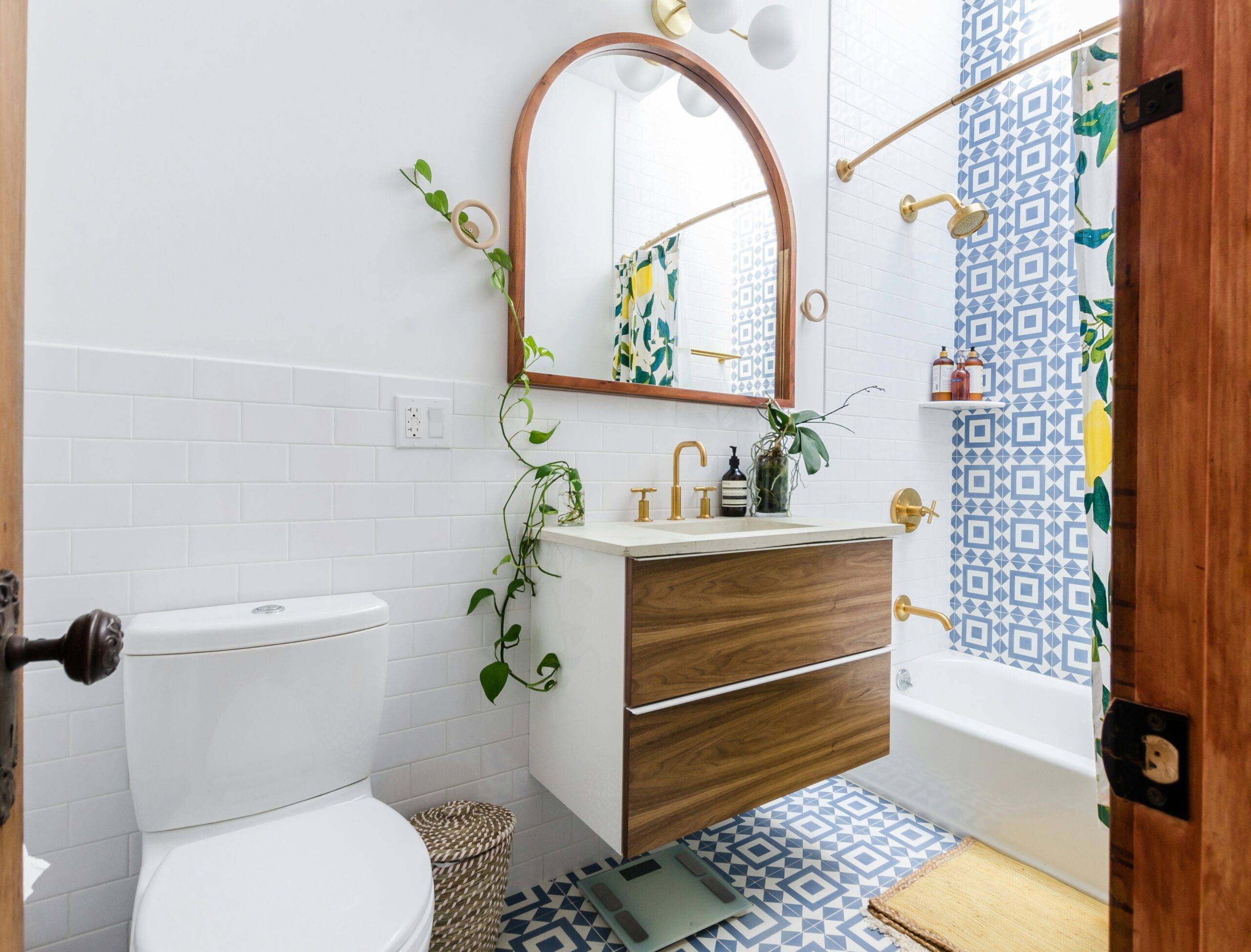
How Long Does Tile Regrouting Take?
Separate the Work Time From the Drying Time
Regrouting has two stages. The tradesperson removes failed grout, prepares the joints and applies the new finish. The grout then needs enough time to set before the area can be used.
For bathroom tile regrouting Sydney homeowners are planning, allow these approximate times:
Repair Area | Typical On-Site Work | When Can You Use It? |
Small, local grout repair | A few hours | Follow the product’s curing instructions |
Standard shower walls and floor | Around 4–8 hours | Often 3–7 days before wet use, depending on grout |
Bathroom floor outside the shower | Around 1 working day | Some products allow light foot traffic after 24 hours |
Full bathroom walls and floor | Around 1–2 working days | Keep wet areas dry for the specified curing period |
Loose tiles or damaged waterproofing | More than a routine regrout | Inspection and a separate repair schedule needed |
These estimates assume secure tiles and no hidden water damage.
What Happens During a Regrouting Visit?
- Inspect the tiled area: The tradesperson checks for loose tiles, failed silicone, cracked grout and signs of moisture. Any damage beneath the surface may change the recommended repair.
- Remove old grout: Damaged grout is carefully removed without harming the surrounding tiles or waterproofing membrane.
- Prepare the joints: Dust and residue are removed so the replacement grout can bond properly. Damp joints may need extra drying time.
- Apply new grout and silicone: Suitable joints are filled with fresh grout. Flexible silicone is used at movement joints, such as corners and wall-to-floor junctions.
- Clean and allow curing: The tiles are cleaned, and the tradesperson confirms when the surface can safely be used.
For bathrooms with secure tiles and surface-level grout damage, professional tile regrouting can restore worn joints without requiring a complete tile replacement.
How Long Before You Can Use the Shower?
Grout curing times vary by manufacturer and product.
For example, Sika publishes different waiting periods for its wet-area grout products:
- Davco Easy Grout: 3 days before wet-area use at 23°C and 50% relative humidity.
- Davco Sanitized Colorgrout: 5 days before wet-area use under the same test conditions.
- SikaCeram-880 Easy Epoxy: 3–7 days before exposure to water or chemicals.
Davco Easy Grout requires seven days in wet areas below 15°C.
These are manufacturer examples, not confirmed product selections for Aussie Bathrooms.
Ask your tradesperson which grout will be used and when the shower can safely return to regular use.
Shower vs Full Bathroom Regrouting: What Changes?
Regrouting a Standard Shower
Shower regrouting typically involves wall joints, floor joints, corners and areas around fixtures or drains.
For a standard shower with sound tiles, removal and replacement of damaged grout can often be completed within one working day.
Your shower regrouting time may increase when:
- Mosaic tiles create more grout joints.
- Deep or damaged joints need extra preparation.
- Old silicone needs complete removal.
- Moisture is present beneath the tiled surface.
- Loose or cracked tiles require repairs.
Professional shower regrouting can be suitable for worn grout and silicone where the underlying tiles and waterproofing remain sound.
Even after the work is finished, the shower must remain unused until the materials have cured.
Regrouting the Whole Bathroom
Regrouting bathroom tiles across walls and floors involves a larger surface area and more preparation.
A full bathroom may require one to two working days, depending on tile size, joint condition and access.
You may still be able to use certain bathroom fixtures during the work, provided the tradesperson confirms it is safe.
For bathroom floor regrouting, ask when light foot traffic is permitted. This may differ from the time required before shower use.
Planning Around a Home With One Shower
If your home has only one bathroom, planning is particularly useful.
Before work begins, confirm:
- When the shower needs to be dry before the appointment.
- How long the tradesperson expects to work.
- Whether bathroom access will be restricted.
- How many days the grout needs to cure.
- The earliest date the shower can safely be used again.
For example, if regrouting finishes on Monday and the product requires three days before wet use, the shower may be available on Thursday.
A five-day curing period could extend this until Saturday.
These are scheduling examples. Actual dates depend on the selected materials and site conditions.
What Affects How Long Regrouting Takes?
1. Tile Size and Grout Condition
Small tiles often have more grout lines than large-format tiles.
Mosaic tiles, for example, can take longer to regrout due to the number of narrow joints requiring attention.
The condition of the existing grout matters too.
Powdery, cracked or deeply damaged grout may require more removal and preparation before replacement materials can be applied.
2. Mould, Moisture and Ventilation
Bathrooms are exposed to regular moisture, making ventilation and drying particularly important.
NSW Health explains that mould can grow in damp areas, including bathrooms, and may affect people with asthma or allergies.
The US Environmental Protection Agency recommends drying water-damaged materials within 24–48 hours to help prevent mould growth.
This recommendation relates to moisture control, not grout curing.
If mould keeps returning after cleaning, the cause should be investigated before applying replacement grout.
3. Grout Type and Room Temperature
Different grout products have different setting and curing requirements.
Cement-based grout and epoxy grout may be suitable for wet areas, but their drying periods can vary.
Temperature and humidity affect curing too.
Cold or poorly ventilated bathrooms may need a longer drying period, depending on the product instructions.
4. Moisture Beneath Existing Tiles
Water trapped beneath tiles can complicate an otherwise straightforward repair.
A tradesperson may need to investigate if the grout joints remain damp after cleaning or if tiles feel loose.
Installing fresh grout over an unresolved moisture problem may hide the symptoms without fixing the cause.
5. Silicone, Fixtures and Bathroom Access
Shower screens, drains and bathroom fixtures can make some joints difficult to access.
Removing deteriorated silicone and applying a fresh flexible seal adds preparation time.
Apartment bathrooms may require extra planning for access, noise restrictions and strata requirements.
A written inspection report or quote should identify these factors before work begins.
Regrouting vs Tile Replacement: Which Repair Takes Longer?
Regrouting and tile replacement solve different problems.
Regrouting suits bathrooms where the existing tiles are secure and grout joints have deteriorated.
Tile replacement may be needed when tiles are cracked, loose or damaged.
Bathroom Condition | Recommended Next Step | Effect on Timing |
Stained or missing grout with secure tiles | Remove and replace damaged grout | Often a short, targeted job |
Split silicone around corners | Remove and replace suitable flexible sealant | May be completed during regrouting |
Cracked or loose tiles | Inspect and replace affected tiles | Additional removal and setting time |
Repeated leaks or swollen walls | Investigate plumbing and waterproofing | May require extensive repairs |
When Is Tile Replacement the Better Option?
Tile replacement may be the better solution when existing tiles are no longer secure or have visible structural damage.
Signs that need closer inspection include:
- Cracked or broken bathroom tiles.
- Tiles that move when pressed.
- Missing or loose sections of tile.
- Water damage around adjacent walls or flooring.
- Repeated grout failure in the same location.
Replacing a damaged tile typically involves removing the existing tile, preparing the substrate, fitting the replacement and allowing the adhesive and grout to cure.
The repair may take longer if matching tiles are unavailable or the underlying surface is damaged.
How Much Does Regrouting Cost Compared With Renovation?
Regrouting is often a smaller scope of work than replacing tiles or rebuilding a bathroom. The final cost depends on the condition of the existing surfaces and the repairs required. For price context, hipages publishes an indicative Australian rate of 25–40 per square metre for grouting or regrouting.
This is third-party market guidance, not an Aussie Bathrooms quote or a complete price for a shower repair. Removal, silicone work, preparation and minimum service charges may affect the final amount.
If an inspection finds extensive water damage, reviewing the potential bathroom renovation cost can help you compare targeted repairs against a larger bathroom project.
Before approving work, request a written quote that identifies:
- Removal of existing damaged grout.
- Surface preparation and cleaning.
- New grout materials and application.
- Silicone replacement where needed.
- Waste removal and final clean-up.
- GST and any additional charges.
- Excluded work, such as waterproofing or damaged tile repairs.
A clear scope helps you compare repair options and avoid unexpected costs.
When Might Waterproofing Repairs Be Needed?
Understanding the Difference Between Grout and Waterproofing
Grout fills the joints between bathroom tiles.
A waterproofing membrane is a protective layer installed beneath tiled wet areas to help prevent water from reaching surrounding building materials.
These components have different purposes.
Regrouting can renew damaged joints, but it cannot replace a failed waterproofing membrane.
Common warning signs that need further investigation include:
- Damp patches on walls adjoining the shower.
- Swollen skirting boards or door frames.
- Loose tiles and repeated grout cracking.
- Persistent mould despite regular cleaning.
- Water appearing outside the shower.
- Stains on ceilings below an upstairs bathroom.
These symptoms do not automatically confirm waterproofing failure. Plumbing leaks, poor drainage and other moisture problems can produce similar signs.
A professional inspection can help identify the likely cause.
What Do NSW Waterproofing Rules Require?
Bathroom waterproofing work in NSW is subject to building requirements and relevant Australian Standards.
As at October 2026, NSW Government guidance identifies NCC 2022 Amendment 2 as the current National Construction Code in NSW.
For houses, the Australian Building Codes Board explains that wet-area requirements include:
- Waterproofing shower walls to a height of 1,800 mm.
- Managing water at shower floors and junctions.
- Providing suitable drainage and floor falls.
- Meeting requirements for waterproofing materials and installation.
AS 3740:2021 is one relevant compliance pathway for domestic wet-area waterproofing.
Two common building terms are:
Fall to waste: The slope of a bathroom floor that directs water into the floor drain.
Set-down: A lowered floor section that provides space for waterproofing, bedding and tiles.
If a bathroom needs reconstruction, these details may affect the work required.
Why Licensed Waterproofing Work Matters
Waterproofing is regulated building work in NSW.
The NSW Government outlines contractor licensing requirements, including requirements for residential building or trade work above $5,000 including GST.
Before proceeding with waterproofing repairs, ask who will perform the work, whether their licence covers the required work and which warranties apply.
Aussie Bathrooms displays Builder’s Licence 273594C on its website. Current licence details can be checked through Service NSW.
When Should You Arrange an Inspection?
An inspection is useful when you are unsure whether damaged grout is a cosmetic issue or a sign of moisture entering the surrounding surfaces.
A qualified tradesperson can assess the tile condition, visible grout damage and signs of leakage before recommending a repair.
This helps avoid spending money on surface repairs that may not address the underlying problem.
Get a Clear Regrouting Timeline for Your Sydney Bathroom
How long does tile regrouting take depends on the condition of your tiles, the size of the work area and the grout materials used.
A simple repair may take only one working day, but the shower often needs several more days before regular use.
If your grout is cracking, mould keeps returning or you are concerned about early leaks, an inspection can help determine whether regrouting is the right repair.
Aussie Bathrooms can assess your bathroom and discuss suitable repairs, timing and the expected scope of work.
Book a regrouting inspection with Aussie Bathrooms or call 1300 815 480 to discuss your bathroom.
FAQs
Can I Shower 24 Hours After Regrouting?
Do not assume so. Some wet-area grouts require three to seven days before water exposure. Follow the product instructions and your tradesperson’s advice.
Can My Bathroom Be Regrouted in One Day?
Yes, many standard shower regrouting jobs can be completed within one working day. Larger bathrooms may require one to two days or longer.
Do I Need to Remove All the Old Grout?
Failed grout must be removed to a suitable depth before replacement. A tradesperson can assess which existing joints need removal.
Is Regrouting Enough to Stop a Shower Leak?
Regrouting may address failed surface joints, but it cannot repair damaged waterproofing membranes or leaking plumbing.
Will New Grout Get Rid of Mould?
New grout can replace stained or mould-affected joints. However, any underlying moisture or ventilation problems should be addressed to reduce recurrence.
Should I Choose Epoxy or Cement Grout?
Both may be suitable for bathrooms. The choice depends on the tile type, joint size, moisture exposure, budget and manufacturer instructions.
Can I Use Bathroom Cleaner Straight After Regrouting?
Wait until the grout manufacturer permits cleaning products. Some products require several days of curing before household cleaners can be used.
Do I Need to Move Out During Regrouting?
Usually not for surface-level grout repairs. However, you may need access to another shower during the curing period.