 Skip to content
Wet Area Waterproofing Explained for Sydney Homeowners, Showers, Bathrooms and Laundries

Wet Area Waterproofing Explained for Sydney Homeowners, Showers, Bathrooms and Laundries
Wet area waterproofing is one of the most important parts of a bathroom, shower or laundry renovation. You may never see it once the tiles are laid, but it helps protect your walls, floors, framing, neighbouring rooms and lower-level ceilings from water damage.
For Sydney homeowners, investors and strata committees, the key point is simple: waterproofing is not a cosmetic step. It is part of the building work. In NSW, waterproofing work must be carried out by a person or business with the right licence or certificate.
Aussie Bathrooms manages bathroom and laundry renovations with licensed trades, certified waterproofing, fixed inclusions, one project manager and one warranty owner. Book a renovation with certified waterproofing and one warranty owner.
Key Takeaways
- Wet area waterproofing helps stop water moving into walls, floors and adjoining rooms.
- Bathrooms, showers and laundries all have different risk zones.
- A waterproof membrane is a barrier system applied under tiles or finishes.
- NSW waterproofing work must be done by properly licensed or certified workers.
- Poor waterproofing can lead to leaks, mould, swelling, cracked grout, loose tiles and strata issues.
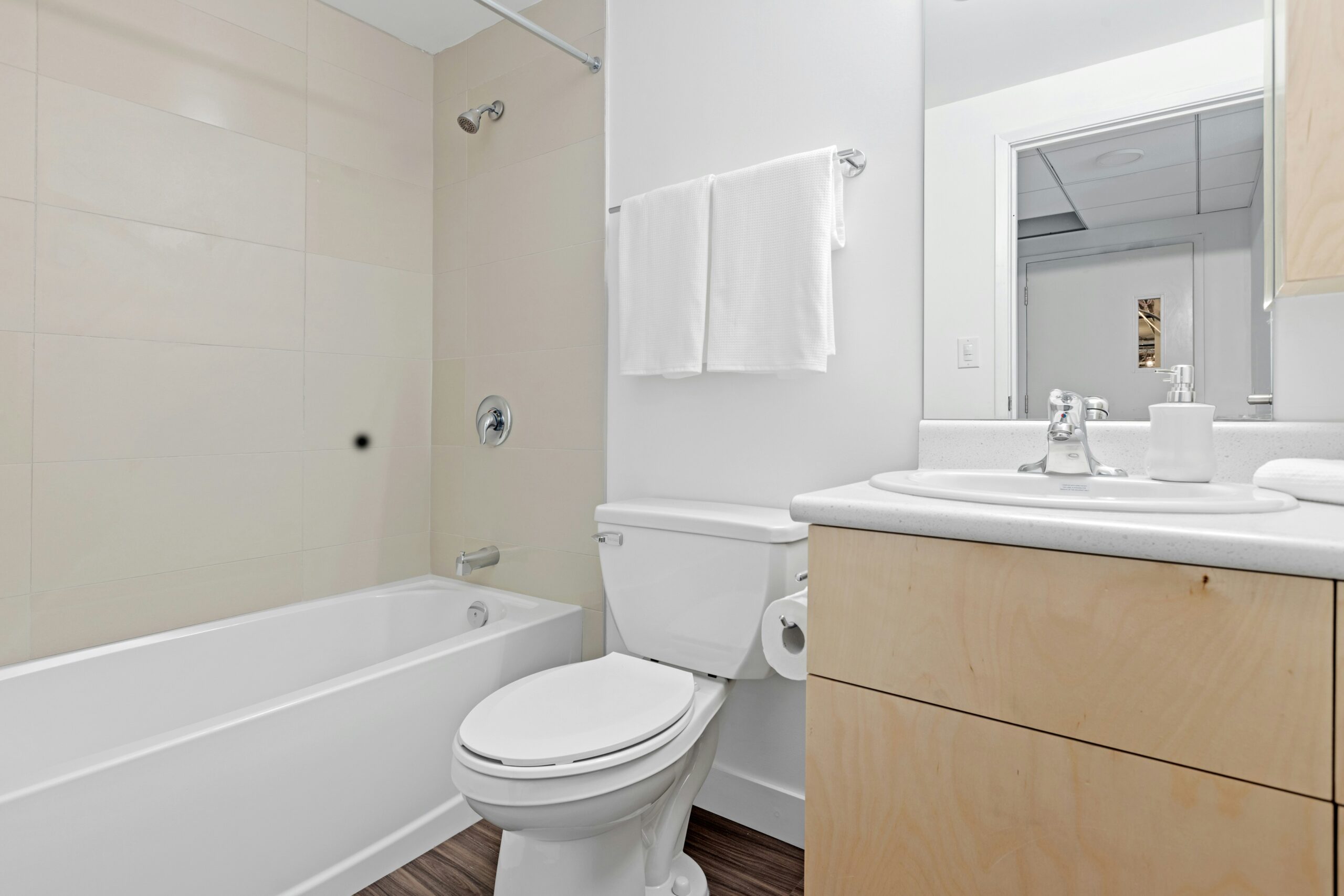
What “Wet Area” Means in the NCC and Australian Standards
A wet area is any room or space where water is used often enough to create a leak or moisture risk. In homes, this usually means:
- Bathrooms
- Showers
- Ensuites
- Laundries
- WC areas with a floor waste
- Rooms with baths, basins, troughs or washing machine connections
How the NCC Applies to Wet Areas
The National Construction Code includes requirements for Wet area waterproofing in homes, including bathrooms, showers, laundries and similar spaces.
AS 3740:2021 is the Australian Standard for waterproofing domestic wet areas. It covers minimum requirements for materials, design and installation of waterproofing in these areas.
The ABCB has guidance on the waterproofing of residential buildings, which helps explain how NCC 2022 applies to domestic wet areas.
Common Waterproofing Terms
Here are a few plain-English terms you may hear during a renovation:
| Term | What It Means |
|---|---|
|
Membrane |
A waterproof layer applied before tiles or floor finishes |
|
Set-down |
A lower section in the floor, often used to help contain water |
|
Fall to waste |
A slight slope that directs water to the floor waste or drain |
|
Puddle flange |
A drain fitting that helps connect the membrane to the waste outlet |
|
Bond breaker |
A flexible strip or sealant used at corners and joints so the membrane can move without tearing |
For bathroom waterproofing standards, the details matter. Corners, drains, wall junctions, shower screens, tap penetrations and floor wastes all have to be handled correctly.
Key Waterproofing Zones in Bathrooms, Showers and Laundries
Waterproofing is not applied the same way across every part of a room. A shower has higher exposure than a vanity wall. A laundry floor may face washing machine leaks or trough overflow. A bath edge has different risk points again.
Shower Areas
Showers are the highest-risk zone in most homes. Water hits the walls and floor every day. If the membrane is missing, thin, damaged or poorly connected at the drain, water can move below the tile bed.
A proper shower waterproofing Sydney project should account for:
- Shower floor areas
- Shower walls
- Internal corners
- Wall and floor junctions
- Hob or set-down details
- Tap and mixer penetrations
- Shower niches
- Linear drains or floor wastes
Good waterproofing starts with the right layout. Shower position, floor waste placement, screen location and storage choices should be considered early in the bathroom design stage.
Bathroom Floors
Bathroom floors deal with splash, cleaning water and overflow risk. Floors with a waste must be graded correctly so water can travel to the drain rather than sit in corners or run into the hallway.
Poor falls can leave puddles. Puddles can break down grout, hold soap residue and create moisture around edges.
Bath Areas
Baths need careful detailing at edges, wall junctions and mixers. The area around a bath may look simple, but water can track through tiny gaps near silicone lines, tiled ledges and wall corners.
Laundries
Laundry waterproofing is often missed or treated as less important than bathroom work. That is risky. A washing machine hose failure, leaking tap, blocked trough or floor waste issue can release a large amount of water.
Laundry waterproofing should be planned as part of the full laundry room renovation scope, rather than treated as a minor finishing step.
Laundry waterproofing should account for:
- Floor surfaces near troughs
- Washing machine zones
- Wall and floor junctions
- Penetrations for plumbing
- Floor waste location
- Doorways and adjoining rooms
For strata apartments, this is a key compliance and neighbour-protection issue. A laundry leak can affect the unit below, common areas or shared walls.
How Proper Waterproofing Protects Your Home and Health
Tiles and grout are not the waterproofing system. They are the finish. Water can still pass through grout joints, cracked silicone, pinholes and floor-wall junctions. The waterproof membrane is the layer that helps keep water where it belongs.
Home Protection
Good wet area waterproofing can help reduce the risk of:
- Swollen skirting, architraves or door frames
- Damp smells
- Peeling paint in adjoining rooms
- Mould growth
- Loose tiles
- Drummy tile sounds
- Staining on ceilings below
- Damage to timber framing or sheet flooring
- Strata complaints and insurance issues
Moisture and Mould Risk
NSW Health explains that mould can affect health and should be controlled by reducing moisture, improving ventilation and cleaning affected areas safely.
Damp building materials can make mould harder to control. Good waterproofing, ventilation and drainage work together. A bathroom with a strong membrane but poor airflow can still develop surface mould. A bathroom with good airflow but poor waterproofing can still leak behind the tiles.
That is why a quality renovation looks at the whole wet area, not one trade in isolation.
Book a renovation with certified waterproofing and one warranty owner, so the waterproofing, tiling, plumbing and project management are handled as one scope.
Typical Waterproofing Details in a Quality Bathroom Renovation
A quality waterproofing job starts before the membrane is applied. The builder, waterproofer, plumber and tiler need a clear plan.
1. Substrate Preparation
The substrate is the surface below the waterproofing system. This may be fibre cement sheet, screed, concrete or another approved surface. It should be clean, dry, sound and suitable for the chosen membrane.
If the surface is dusty, wet, cracked or moving, the membrane may fail.
2. Correct Falls
Falls help water move to the drain. This is especially important in open showers, walk-in showers and wet rooms.
A small change in floor slope can decide whether water drains well or sits near the screen. NCC-related guidance has placed greater focus on falls to floor wastes in wet areas.
3. Joints and Corners
Corners are high-risk points. Buildings move a little over time. Floors and walls meet at right angles. If the membrane is applied without the right joint treatment, it can split.
Bond breakers and compatible sealants help the waterproofing system cope with movement.
4. Penetrations
A penetration is any point where a pipe, tap, waste, mixer or fixing passes through the waterproofed surface. These points need careful sealing.
Common risk points include:
- Shower mixers
- Rail shower fixings
- Wall outlets
- Bath spouts
- Vanity waste pipes
- Laundry taps
- Floor wastes
5. Membrane Application
The membrane must be applied at the right thickness, to the right areas, with the right drying time between coats. Rushed work can create thin spots, bubbles or weak points.
This is one reason waterproofing should be planned in the renovation timeline. It is not a step to squeeze in at the end of a day.
6. Drying and Curing Time
Membranes need time to dry or cure before tiling starts. The product instructions matter. Weather, humidity and airflow can change timing.
Cutting this time short can weaken the system.
7. Handover Records
For NSW projects, ask who is doing the waterproofing and what documentation you will receive. NSW Government guidance says a licence or certificate is required for waterproofing work.
For larger NSW residential building projects, Home Building Compensation Fund cover may be required. Service NSW states licensed contractors taking on residential work over $20,000 need HBCF cover before starting work or taking money under the contract.
Warranty Support
Ask how the warranty process works after handover. Aussie Bathrooms’ renovation covercare gives homeowners a clearer pathway for support after the renovation is complete.
How to Tell if Past Waterproofing Was Done Poorly
Waterproofing is hidden once tiles are installed, so defects can take time to appear. Some signs are small at first. Others show up once damage has already spread.
Common Warning Signs
Common warning signs include:
- Musty smells that return after cleaning
- Mould at lower walls or silicone joints
- Swollen vanity kickboards
- Loose or drummy tiles
- Cracked grout in shower corners
- Paint bubbling in the next room
- Damp carpet near a bathroom wall
- Ceiling stains below an upstairs bathroom
- Leaking into a neighbouring apartment
- Silicone gaps around baths, screens or wall junctions
These warning signs can point to common bathroom waterproofing mistakes, such as poor corner sealing, rushed membrane curing, weak drain detailing or missing protection around penetrations.
Why Small Leaks Should Be Checked Early
Faulty waterproofing can be costly to repair. Once water reaches the substrate, framing or ceiling below, the fix may involve removing tiles, repairing damaged materials, replacing the membrane and retiling the area.
Do not rely on new silicone as a long-term fix if the membrane has failed. Silicone is a maintenance joint. It is not a substitute for a waterproofing system below the tiles.
If you see signs of moisture, take photos, stop any active leak source where safe, and arrange an inspection. For strata homes, report it early to the strata manager so access and records can be managed.
Questions to Ask Your Bathroom Renovator About Waterproofing
Before signing a bathroom or laundry renovation quote, ask direct questions. Clear answers are a good sign. Vague answers are a warning.
Waterproofing Checklist
Use this checklist:
| Question | What a Good Answer Should Cover |
|---|---|
|
Who will do the waterproofing? |
A licensed or qualified person with the right NSW credentials |
|
What standard do you work to? |
NCC requirements and AS 3740:2021-style wet area detailing |
|
What areas will be waterproofed? |
Shower walls, floors, junctions, drains, penetrations and laundry zones where required |
|
What membrane system will you use? |
Product type, compatibility and application method |
|
How long will it dry before tiling? |
Product-based drying or curing time |
|
How are floor wastes handled? |
Falls, puddle flange and membrane connection |
|
What happens if a leak appears later? |
Warranty process and one accountable contact |
|
Will I receive waterproofing records? |
Certificate, product details or handover notes where relevant |
|
Is the quote fixed and itemised? |
Clear inclusions, exclusions, fixtures and work stages |
Final Words
Wet area waterproofing is one of the parts of a renovation you should never leave to chance. It sits behind the finished tiles, but it protects the home every day.
For Sydney bathrooms, showers and laundries, ask who is doing the work, what standard they follow, what areas are covered and what proof you receive at handover. A clear answer today can save major repair work later.
A well-built wet area should look good, drain well, stay dry where it should, and give you confidence each time it is used.
Book a renovation with certified waterproofing and one warranty owner.
What Clear Answers Should Sound Like
A good renovator should be able to explain waterproofing in plain English. You should know who is completing the work, what areas are included, how the room will drain, what records you receive and how warranty support works after handover.
Aussie Bathrooms manages bathroom and laundry renovations with fixed pricing, licensed trades, certified waterproofing, tidy handover and one accountable provider. That matters for Sydney homeowners, investors and strata clients who want fewer handoffs and clearer accountability.
Book a renovation with certified waterproofing and one warranty owner.
FAQs
Is Grout Waterproof?
No. Grout is not the waterproofing system. Grout helps fill the joints between tiles, but water can still pass through grout or tiny cracks. The membrane below the tiles is the main water barrier.
Is Silicone Enough to Stop a Shower Leak?
Silicone can help seal joints, but it is not a full waterproofing system. If the membrane behind or below the tiles has failed, new silicone may only hide the issue for a short time.
Does Every Bathroom Need Waterproofing?
Yes, bathrooms contain wet areas that need compliant protection. The exact zones depend on the room layout, shower type, floor waste, bath, fixtures and building type.
Do Laundries Need Waterproofing?
Many laundry areas need waterproofing or water-resistant detailing, especially around floors, troughs, washing machine points, floor wastes and wall-floor junctions. Laundry waterproofing is important in apartments and strata buildings where a leak can affect other lots.
Who Can Do Waterproofing in NSW?
NSW Government guidance states that a licence or certificate is required to do waterproofing work.
What Is a Waterproofing Certificate?
A waterproofing certificate or handover record helps show that the waterproofing work was completed by the right person and to the agreed scope. Ask your renovator what documentation is included before work starts.
How Long Does Waterproofing Take?
The application itself may take a day or more, depending on room size and detail. Drying or curing time depends on the membrane product, number of coats, site conditions and weather. It should not be rushed.
Can Waterproofing Be Repaired Without Removing Tiles?
Small surface issues may be repaired at silicone or grout level, but failed waterproofing often sits below tiles. A proper fix may require tile removal, substrate repair and a new membrane.
What Is the Difference Between Waterproof and Water-Resistant?
Waterproof areas are built to stop water passing through. Water-resistant areas can resist moisture for limited exposure but are not the same as a waterproof barrier.
Why Does Waterproofing Matter for Strata?
A failed wet area in an apartment can affect the unit below, shared walls, ceilings, insurance claims and strata records. Clear documentation, licensed work and a single accountable provider help reduce disputes.